
Hearing Aid Batteries: Types, Lifespan, and Tips for Maximum Performance

Hearing aids serve as essential tools to improve the lifestyle quality of people who have hearing difficulties. The operating performance of hearing aids depends completely on their power supply, which is the hearing aid's battery. Users who understand battery types alongside their operational lifetime and efficiency techniques will get the best performance from their devices. Users who visit Widex Emirates Hearing Care can purchase high-end hearing aids with both rechargeable and standard options for exceptional performance and user convenience.
Types of Hearing Aid Batteries
The market provides hearing aid users with two main battery types, including disposable zinc-air batteries and rechargeable lithium-ion batteries. The choice between these hearing aid types depends on personal requirements together with lifestyle preferences.
Disposable Zinc-Air Batteries
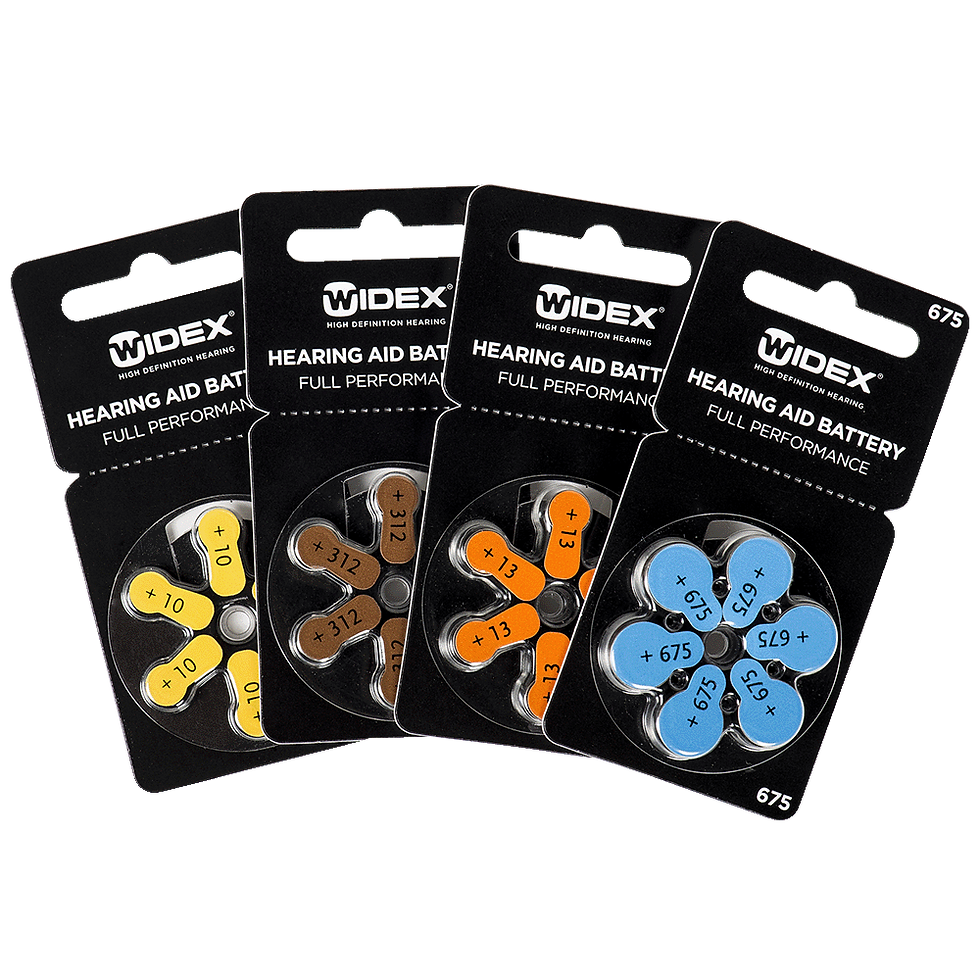
Traditional hearing aids powered by zinc-air batteries currently exist in four different sizes, which include 10, 312, 13 and 675. Non-rechargeable devices use these batteries which become operational after air exposure provides them power. These replacement units are straightforward, but users need to change them according to their hearing aid model and usage patterns.
Rechargeable Hearing Aid Batteries
Hearing aids with lithium-ion batteries operate as both sustainable and convenient solutions in modern hearing aid technology. Users benefit from these batteries because they provide one-day operation from a single charge cycle. These hearing aids provide a hassle-free experience which makes them stand as the preferred choice for customers at Widex Emirates Hearing Care.
Lifespan of Hearing Aid Batteries
The operating time of hearing aids batteries gets affected by three main elements, including battery type and device settings and amount of daily usage:
Operational duration of Zinc-Air Batteries extends from 3 days to 14 days based on hearing aid device size along with power consumption levels.
Rechargeable Batteries have a 24-hour charging capacity and maintain functionality for 3 to 5 years until replacement becomes necessary.
Battery longevity gets reduced because of environmental conditions that involve both humidity and temperature levels. The correct storage of batteries coupled with following manufacturer instructions results in longer battery life.
Tips for Maximizing Hearing Aid Battery Performance
The following practices will help users maximize their hearing aids battery performance and extend its life span:
Turn Off Hearing Aids When Not in Use: For disposable battery-powered devices, opening the battery compartment when not in use prevents unnecessary drainage.
Store Batteries in a Cool, Dry Place: Exposure to extreme temperatures or moisture can reduce battery life. Keeping batteries in a controlled environment ensures better performance.
Use Fresh Batteries: Expired or old batteries may not provide consistent power. Checking the expiry date before use ensures reliable performance.
Avoid Metal Contact: Storing hearing aids battery in a pocket or purse with coins or keys can cause them to short-circuit, reducing their lifespan.
Invest in Rechargeable Hearing Aids: For users looking for long-term convenience, switching to rechargeable hearing aids eliminates the hassle of frequent battery replacements and provides a more eco-friendly solution.
Choosing the Best Hearing Aids with Long-Lasting Batteries
The selection of the best hearing aids should include assessment of battery efficiency as a primary factor. Widex hearing aids implement advanced technology to produce extended battery durations and superior sounds quality. Widex provides hearing aids that match individual requirements whether customers choose rechargeable models or traditional battery-powered designs.
Widex Emirates Hearing Care provides premium hearing aids batteries which deliver extended performance and durability for users who need persistent power in their devices.
Get the Best Hearing Aids Now with Widex
Knowledge about hearing aids battery types together with their expected lifetime helps optimize the performance of hearing devices. The correct maintenance of hearing aid batteries enables users to experience uninterrupted hearing regardless of their selection between disposable zinc-air types or rechargeable models. Customers seeking top hearing aids should consider Widex products because they offer advanced technology alongside extended battery longevity. Professional hearing solutions and premium service comes exclusively from Widex Emirates Hearing Care which maintains its position as the leading provider in the UAE.
Ever wondered why your hearing aid battery seems to drain faster than expected—right when you need it the most? Choosing the right battery and using it correctly can make a significant difference in performance, cost, and convenience. In this guide, we’ll break down everything you need to know about hearing aid batteries so you can get the most out of your device every single day.
Don’t let battery issues disrupt your hearing experience. Choose the right hearing aid batteries and follow expert tips to extend their lifespan and performance. For personalized guidance or high-quality batteries, visit your nearest branch in the UAE and enjoy uninterrupted, crystal-clear hearing.
FAQ
1. What are the different types of hearing aid batteries?
Hearing aid batteries mainly come in two types: disposable zinc-air batteries and rechargeable batteries. Zinc-air batteries are the most common, while rechargeable options offer convenience and eco-friendliness.
2. How long do hearing aid batteries last?
The lifespan depends on battery size, hearing aid usage, and features like Bluetooth. Typically, they last between 3 to 14 days for disposable batteries, while rechargeable ones last about 1 full day per charge.
3. What do hearing aid battery sizes mean?
Hearing aid batteries come in standard sizes like 10, 312, 13, and 675. Each size is color-coded and designed for specific hearing aid models.
4. How can I extend the life of my hearing aid batteries?
To maximize battery life, store batteries in a cool, dry place, open the battery door when not in use, and allow zinc-air batteries to activate for a minute before inserting them.
5. Are rechargeable hearing aid batteries better than disposable ones?
Rechargeable batteries are more convenient and environmentally friendly, while disposable batteries are often more affordable upfront and widely available.
6. Why does my hearing aid battery drain quickly?
Battery drain can be caused by high usage, streaming features, humidity, or improper storage. Regular maintenance and proper handling can help improve performance.
7. Can I carry hearing aid batteries while traveling?
Yes, hearing aid batteries are safe to carry. It’s recommended to keep spare batteries in their original packaging and store them in a protective case.


Comments